Joel Jin, Ph.D.
Psychologist · Researcher · Author · Faculty, The Seattle School of Theology & Psychology
I study and treat chronic pain, stress-related physical symptoms, and the psychology of high achievement.

About Me
Joel Jin, PhD is a licensed psychologist, researcher, author, and Associate Professor of Counseling based in Seattle, WA. He specializes in the psychology of chronic pain, stress-related physical symptoms, and high-achievement burnout. He holds a faculty position at the The Seattle School of Theology & Psychology and is the founder of Jin Psychological Services, PLLC. He is the author of two books published by the American Psychological Association and has over 20 peer-reviewed publications.

Centralized Pain
-
When people face difficult life circumstances, their pain seems to worsen because they experience anger and injustice.
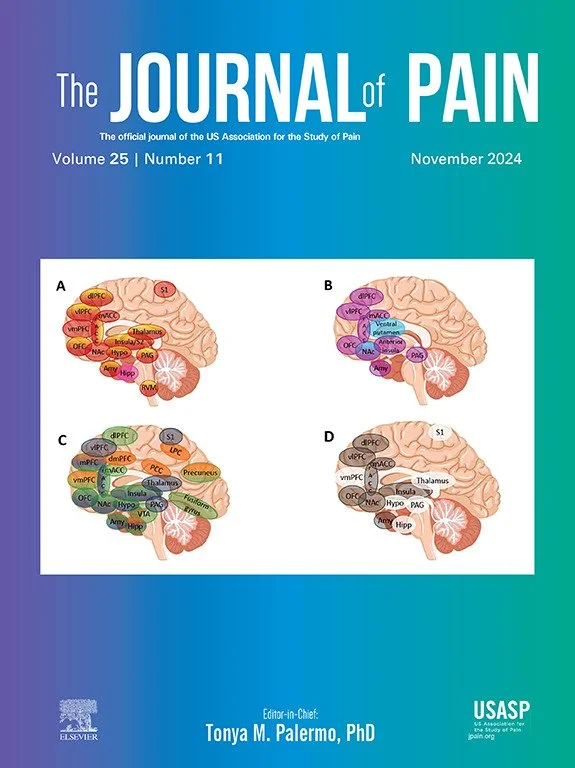
I’m a researcher and author of two peer-reviewed journal articles on the role of anger and injustice appraisals on centralized pain symptoms in The Journal of Pain and in the Journal of General Internal Medicine.
-
When people face difficult life circumstances, their pain seems to worsen because they experience PTSD symptoms.
I’m a researcher and author of one peer-reviewed journal articles on the role of PSTD symptoms on centralized pain symptoms in the Journal of Latinx Psychology.
-
Self-compassion sometimes acts like a shield, a psychological protection.
I’m a researcher and author of two peer-reviewed journal articles on the protective role of self-compassion in the Asian American Journal of Psychology and Stigma and Health.
-
Mindfulness acts like a shield, a psychological protection against depression and anxiety symptoms.
I’m a researcher and author of two peer-reviewed journal articles on the clinical benefits of mindfulness in Mindfulness and the Journal of Abnormal Child Psychology.
-
My Doctoral dissertation was on the types of perfectionists and how they differ on mindfulness and self-compassion.
There are typically 3 types of perfectionists - adaptive perfectionists, maladaptive perfectionists, and non-perfectionists. Adaptive perfectionists typically have high standards for themselves and feel like they reach their standards. Maladaptive perfectionists also have high standards but they feel like they fall short. Non-perfectionists have moderate standards for themselves.
Teaching and Training
-
When relating to people of different backgrounds and identities, practicing different ways to relate can increase skill and comfort to address opportunities.
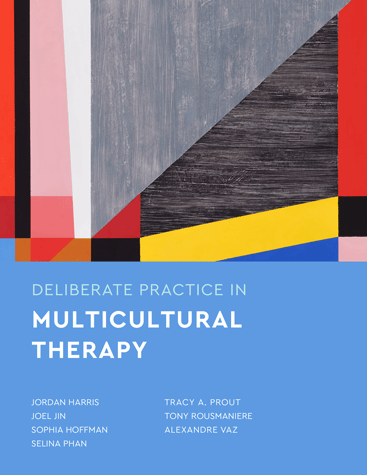
I’m an author of Deliberate Practice in Multicultural Therapy. This is the first book using deliberate practice to train psychotherapists in multicultural therapy.
-
~Coming soon ~
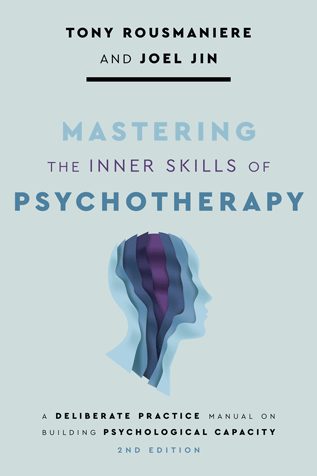
I’m an author of the second edition of Mastering the Inner Skills of Psychotherapy. The first edition one of the first books using deliberate practice to train the inner skills and expanding the psychological capacity of psychotherapists.
Psychotherapists aren’t resilient because they receive a graduate degree or their license. They practice skills to expand their psychological capacity so that they can be present with their patients.
This new edition includes the latest research on deliberate practice in psychotherapy and new instructions for academic instructors and clinical supervisors to guide their students and trainees.
-
I’m an author of two peer-reviewed journal articles on using deliberate practice to train psychotherapists in spiritually competent psychotherapy, in Practice Innovations.
-
I’m a Subject Matter Expert on a national training for chaplains and clergy on suicide prevention.